Putting consumers at the forefront of energy decision making
Energy costs remain a source of pressure for households and businesses alike, particularly as wholesale energy prices soar due to recent geopolitical instability. In Northern Ireland, this was seen most dramatically with an 80% rise in home heating oil prices since the Iran war began earlier this year.
In this context, and as the industry continues to deliver the transition to a low carbon economy, it has never been more important that consumers are prioritised by policymakers when shaping strategy on energy. That focus is core to our purpose at Mutual Energy. Our primary mission is to own, operate and develop critical energy infrastructure in the long-term interest of Northern Ireland consumers.
The mutual model
Unique in the industry locally, we are a fully mutualised company. Unlike traditional private companies, this means we have no shareholders, and profits are not distributed as dividends. Instead, financial surplus is reinvested back into the network, or returned directly to consumers. This model enables strategic decision making that is not guided by short term returns, but instead takes a long term view to protect affordability, reliability and sustainability.
Delivering value for consumers
Our financing model allows us to raise capital at relatively low cost, reducing the expense of building and maintaining critical energy infrastructure for Northern Ireland, to the benefit of energy consumers.
Value is also returned directly to consumers. For example, in the financial year 2024/25 over £12m was returned to electricity consumers, split evenly between a general tariff rebate and charitable donations targeted at households struggling with energy costs. Mutual Energy has also committed a further £80m to consumers over the next 5 years.
Delivering security of supply
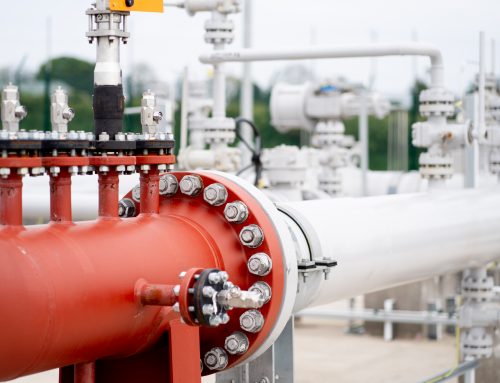
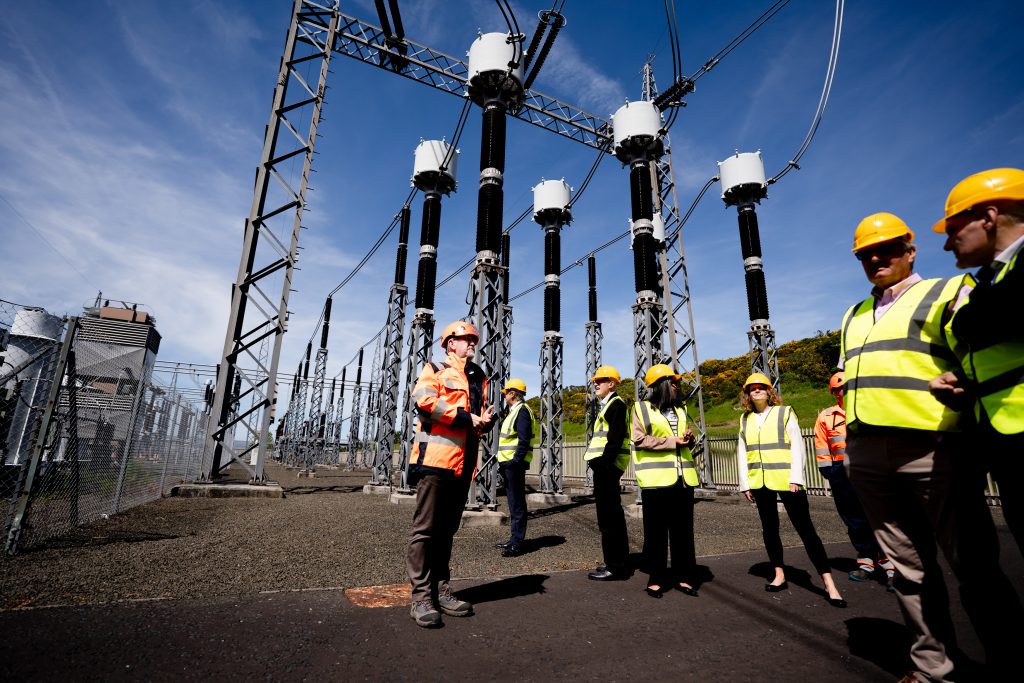
Mutual Energy owns and operates some of the most critical infrastructure in the Northern Ireland energy system. These assets include the Moyle Interconnector, linking the Northern Ireland and Scotland electricity networks, and the Scotland-Northern Ireland Pipeline which imports the majority of the region’s natural gas supply.
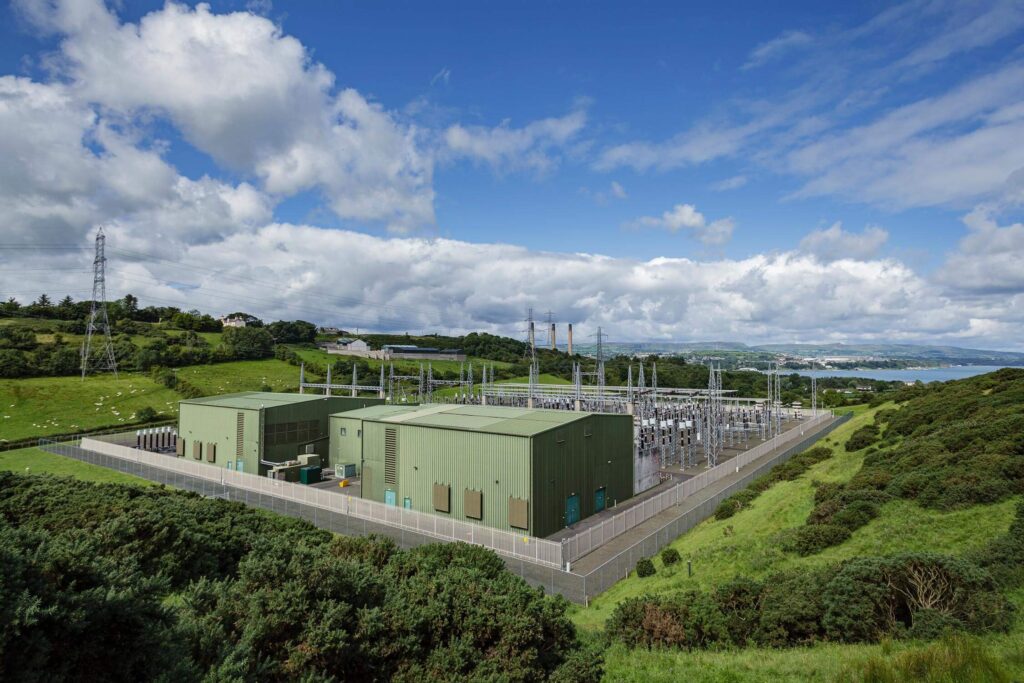
This infrastructure plays a key role in delivering security of supply for energy consumers, delivering all the gas into Northern Ireland. Many times our assets have supported over 90% of electricity consumed in Northern Ireland, directly through the Moyle interconnector and indirectly by providing the natural gas to run the power stations.
Security of supply is also delivered through reliability and availability. Mutual Energy assets are operated to globally recognised ISO standards, and regular ongoing investment ensures world-class levels of availability are maintained. This stewardship and sustained investment has ensured households and businesses have benefitted from 100% historic availability of the NI natural gas network.
Delivering an energy transition that protects consumer interests
The transition to net zero will require significant investment in new technologies, new networks and new systems to manage supply and demand. Mutual Energy is playing a key role in delivering this change through supporting renewable integration, engaging in energy policy development, and planning for the infrastructure needed for a decarbonised future.
As a mutual company, we can play an important role in reducing the cost of the investment that will be required to deliver net zero. Our dedicated Energy Transition Team is leading on this work, which you can find out more about here: https://www.mutual-energy.com/energy-transition/
It is important that policymakers and industry focus on long-term value and low-cost financing to deliver an energy transition that looks after the long-term interests of energy consumers on the road to decarbonisation. Put simply, finding balance between the priorities of affordability, security and sustainability is critical for both energy users and the environment.
Looking to the future
As the energy system continues to evolve, the needs of consumers should be central to decision making. By combining a long-term outlook with a focus on value for consumers, we are demonstrating how infrastructure can be built, maintained and operated in a way that supports the needs both of today’s energy users, and that of future generations, sustainably.